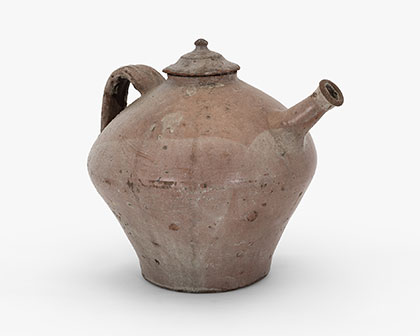
The Basque Museum proposes a journey through different
spaces in which the collection and history blend into
a living narrative.
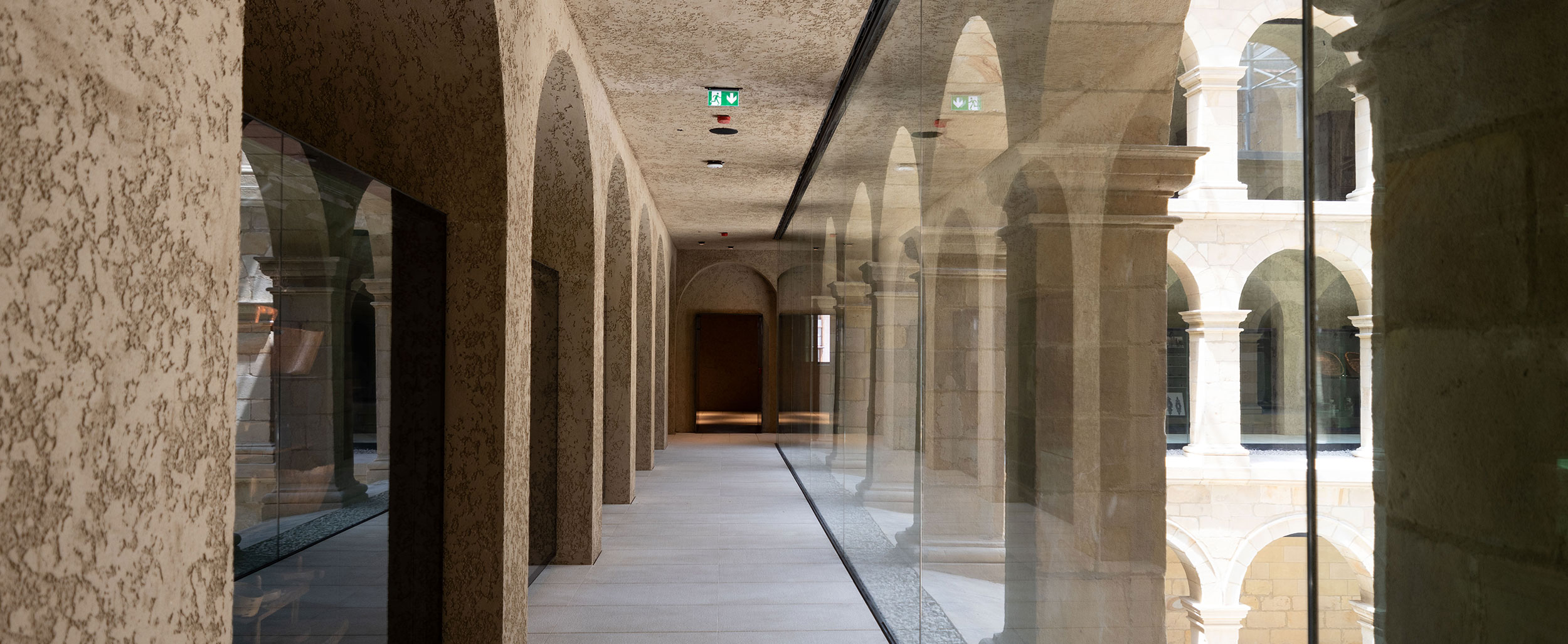
Throughout its history, the Museum has grown, expanding its scope and organising its collecJon in different spaces with pieces that explain everything from daily life to the cultural and social evoluJon of the Basque Country.
The Basque Museum is thought of as a living organism, symbolised by the Aretz Bizia oak tree, which grows and renews itself like Basque society and culture.
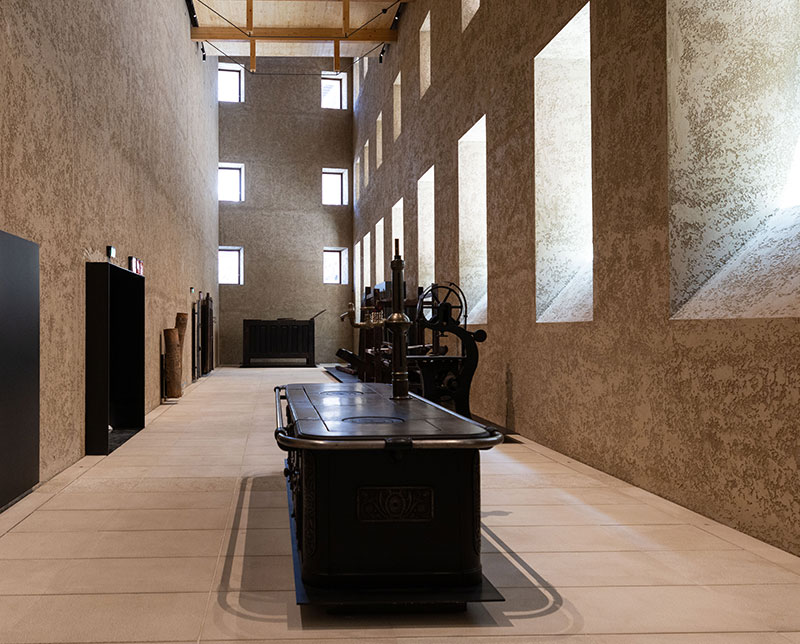
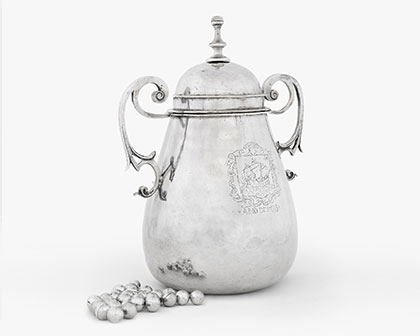
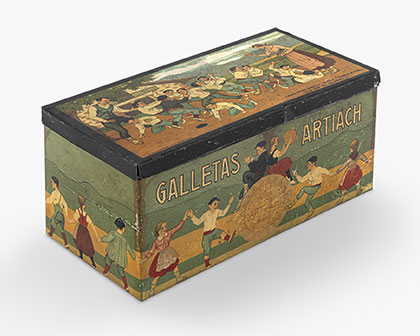
This hall brings together some of the great pieces in the Museum’s collection: unique objects due to their historical, social, and symbolic relevance. Originating from agricultural, domestic, artisanal, industrial, and urban environments, the pieces are presented as material testimonies and carriers of memory, knowledge, and values. Part of a continuous narrative, they reflect ways of life and reinforce the relationship between community, territory, and heritage.
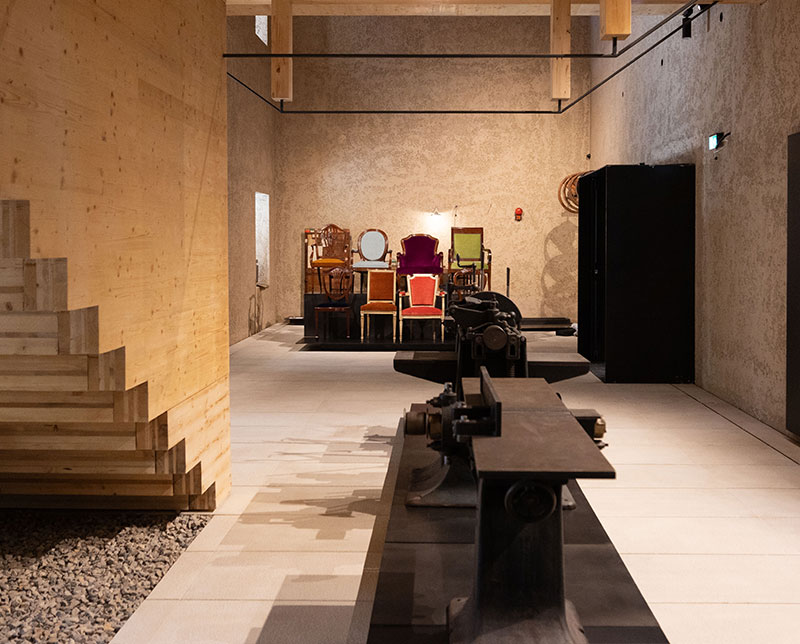
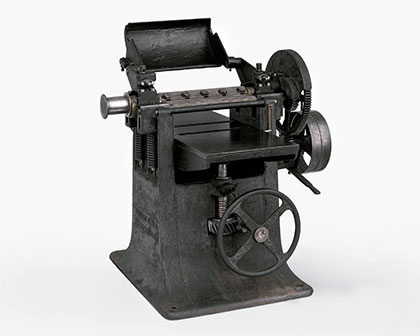
This hall presents the entire Urra Shop ensemble, a mechanical workshop for chair making and cabinet making located on Iturribide Street in Bilbao which has been preserved in its entirety. Founded in 1899, it documents the survival of artisanal trades in an urban and industrial context, as well as being an outstanding example of female business management. Its preservation provides key information about furniture production and the industrial fabric of Bilbao.
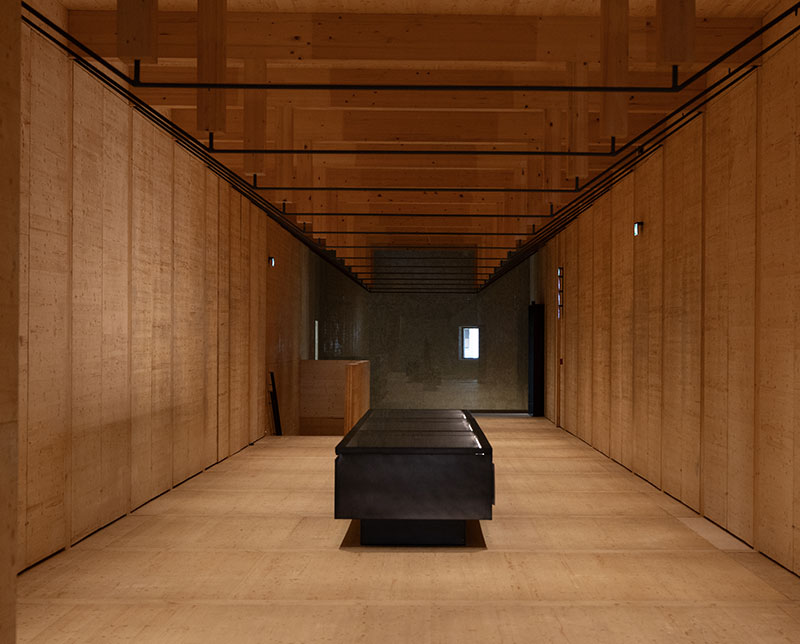
This space is dedicated to the Basque language as the heart of the Basque people, the living sap that runs through the tree of our culture. More than a language, it is an element of cohesion that articulates our way of life, identity, and collective memory. Through its evolution —and without losing its essence— Basque reflects the community’s ability to accept changes, transmit values, and project a firm, dignified, and profoundly human culture.
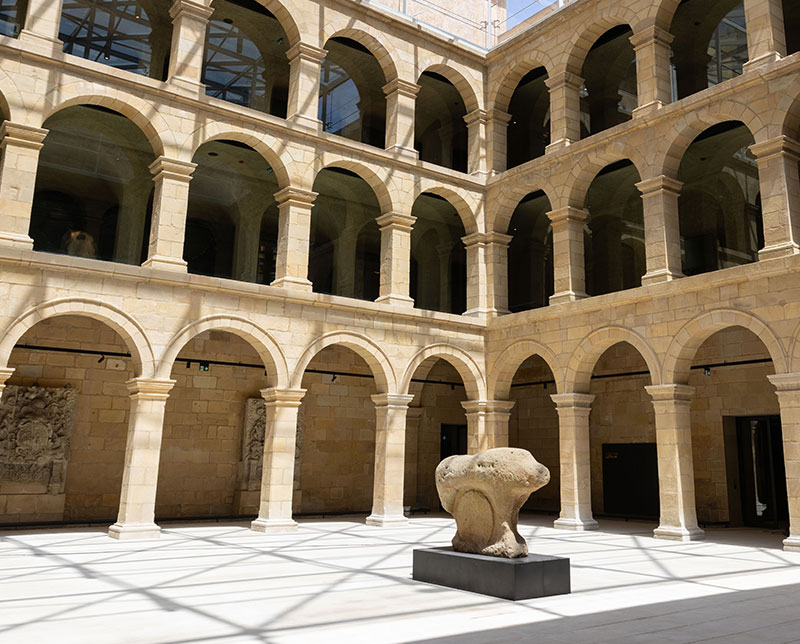
This space traces the origin of the Basque Museum, created in 1917 with the aim of preserving the identity and memory of the Basque people. Since its opening in the former Jesuit school in the Old Town, the Museum has consolidated its commitment to archaeological and ethnographic heritage. The cloister houses outstanding stone pieces and the Mikeldi, an emblematic symbol of the collection.
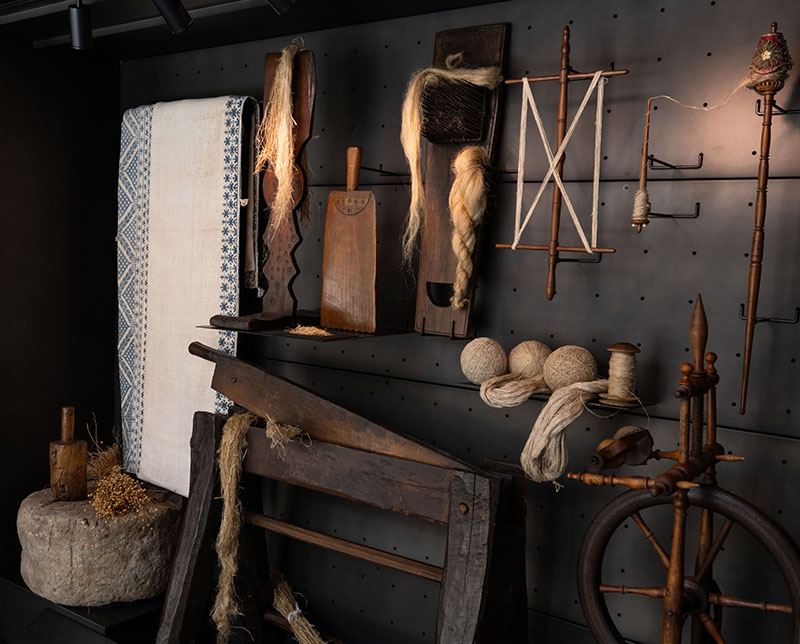
This section of the Museum presents the historical relationship between Basque society and its environment through objects, techniques, and traditional knowledge. Materials such as stone, wood, and iron are turned into tools linked to agriculture, forging, and fishing. The pieces reflect ways of working, social organisation and transmission of knowledge — practices and values that connect material heritage with the collective memory that shapes Basque culture.
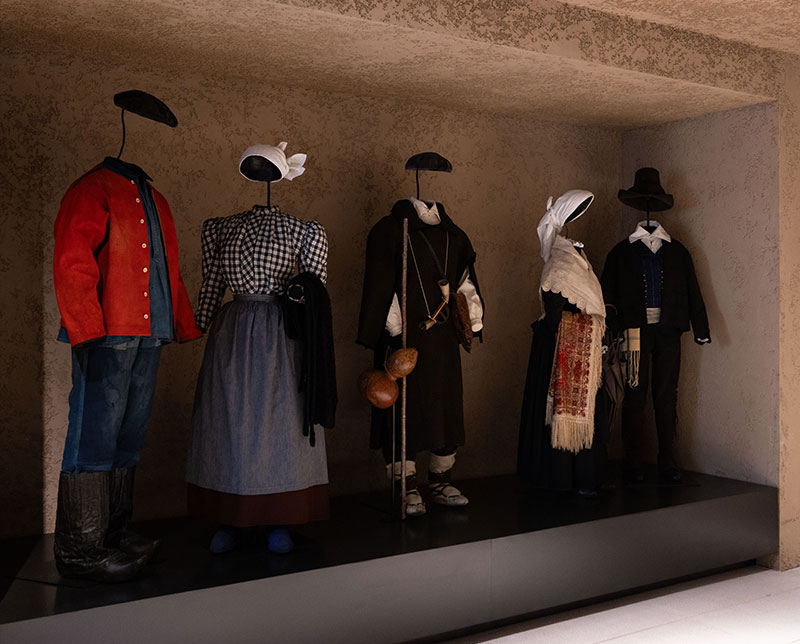
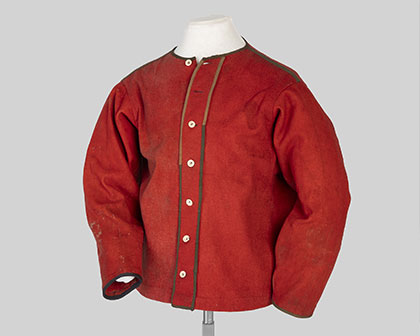
This hall presents a selection from the Museum’s clothing collection, allowing visitors to learn about the ways of dressing in Basque society during the 19th and early 20th centuries. Through garments linked to the rural environment, festivals, rites of passage, and traditional fishing or herding activities, expressions of identity, social relations, and ways of life are showcased. Some pieces are the original models that José Arrue used for his watercolours, presented at the regional costume exhibition in Madrid held in 1925.
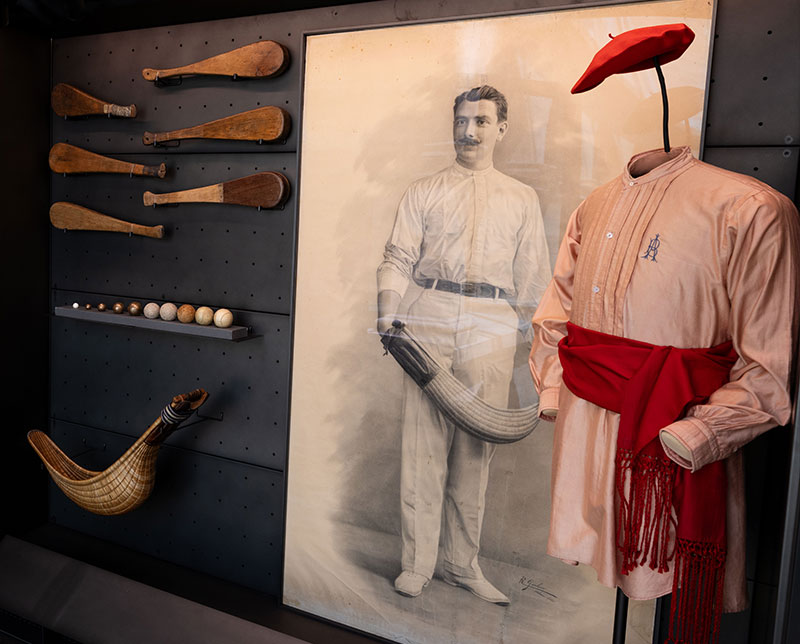
This space focuses on beliefs, symbols, and celebrations as an essential part of cultural heritage. Through objects linked to rituals, festive practices, and symbolic expressions, shared values and forms of social cohesion are shown. The pieces reflect how Basque culture brings together the individual and the collective, expressing belonging to a community. From the domestic sphere to the public space, these objects accompany life cycles, the festive calendar, and historical transformations.
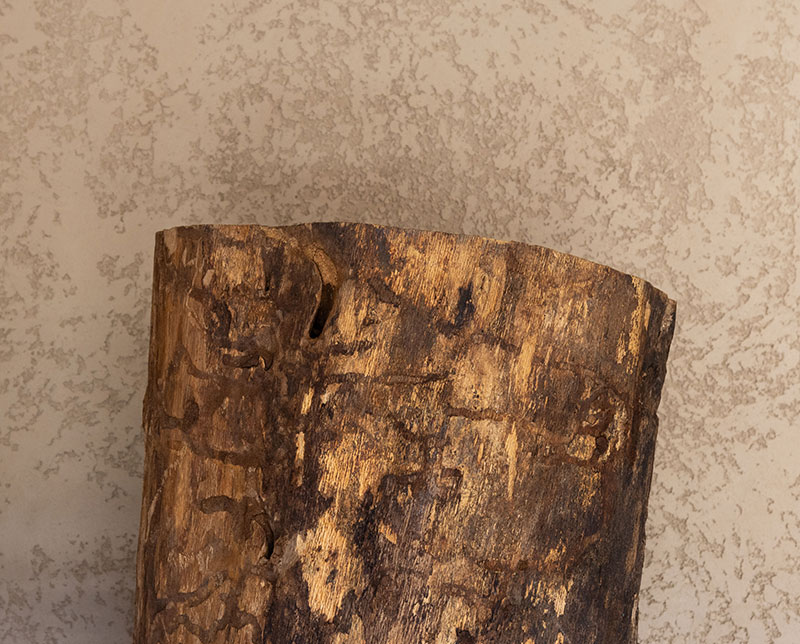
This hall addresses Basque political identity through the Tree of Gernika, a central symbol of Basque self-government and freedoms. Touching on the political organisation of the Middle Ages to the present day, the tour explains the evolution of the regional institutions and their collective significance. The pieces and stories presented allow visitors to understand the historical, symbolic, and political value of Gernika as a place of representation and shared memory.
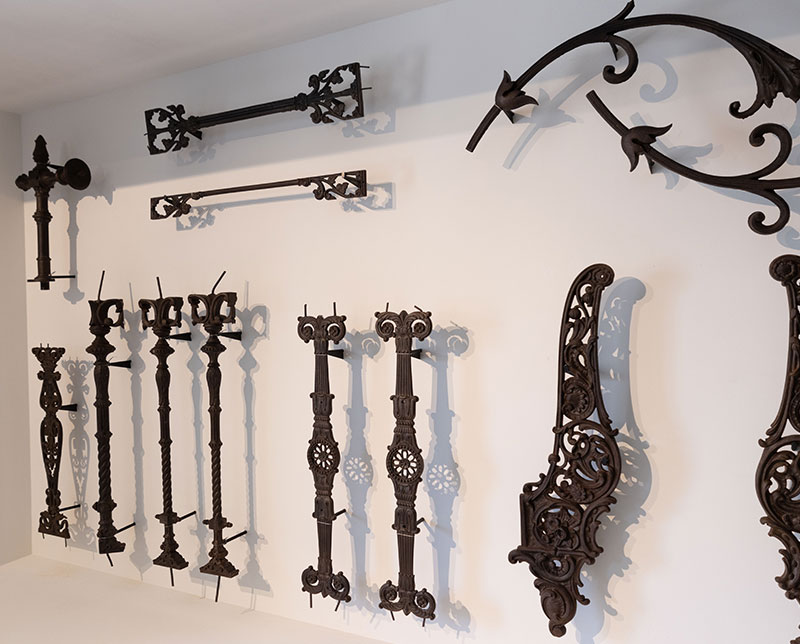
This hall traces the history of Bilbao from its founding in the year 1300, focusing on the estuary as the axis of its development. A commercial port since its origin, the town strengthened its importance with the establishment of the Consulate and the Casa de Contratación (“House of Trade”) in the 16th century. The industrialisation of the 19th century profoundly transformed the landscape and society of Bilbao. Today, Bilbao is seen as a city that has reinvented itself as a modern, cultural, and cosmopolitan place, having managed to preserve its past while looking to the future.