The Museum offers educational experiences based on heritage
and geared towards critical thinking, cultural mediation,
and the construction of shared learning experiences.
Hariz Hari (“weaving gradually, thread by thread”) is the metaphor that shapes and provides meaning to the School Programme. From that perspective, heritage is conceived as a fabric made up of objects, practices, knowledge, memories, and values passed down among generations.
Information and bookings
Groups of up to 25 people.
Tel.: +34 946 076 548 (Monday to Friday from 8:00 a.m. to 3:00 p.m.)
Email: erreserbak@euskalmuseoa.eus
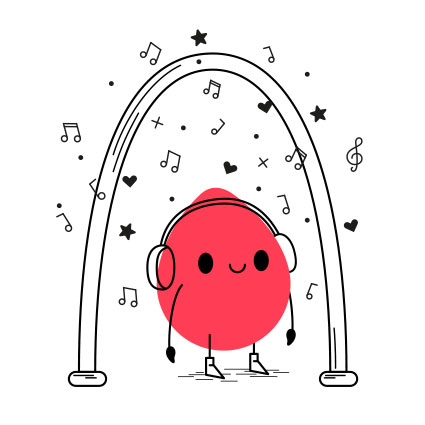
The Museum is singing to us! We will listen attentively, following its colourful threads through the halls to capture ideas, songs from our culture. Through play and imagination, we will weave our own narratives, turning the visit to the Museum into an unforgettable sensory and participatory experience.
 60 minutes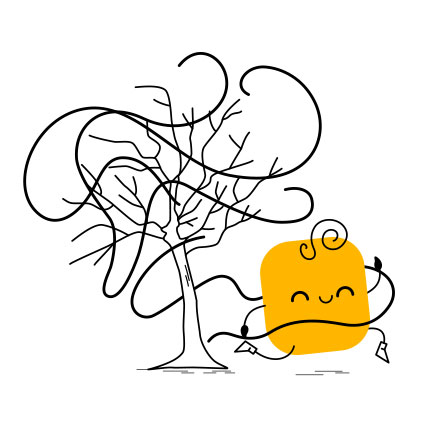
Imagine a large tree with colourful ribbons dancing in the wind. We will follow an imaginary ribbon in the Museum to discover the clues that speak of our people and their diversity. Through cooperative activities, we will discover that, just like in dance, we need to work together to weave the most beautiful picture of our shared history. What are we capable of weaving together?
90 minutes 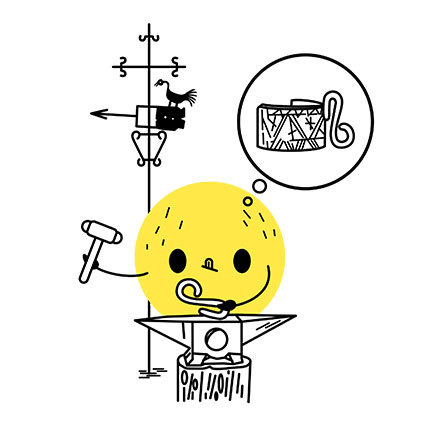
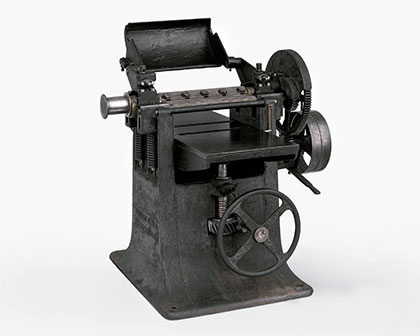
What are the things around us made of, and how were they made? We will follow the trail of materials: the warmth of woven wool, the coldness of wrought iron, the roughness of carved wood…. We will connect the objects in the Museum with traditional trade processes. A scientific and social look at traditional techniques and knowledge.
90 minutes 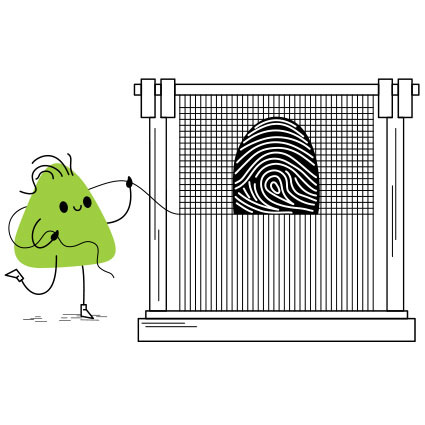
The loom of our identity. Are we a sum of fragments or something entirely new? We will follow the threads of memory and discover that our identity is a dynamic mix of what those of the past were and what we are adding today. The collage technique will be the tool used to stitch together personal and group elements, transmitted and transformed to create a collective piece that, like our society, is much more than the sum of its parts.
90 minutes 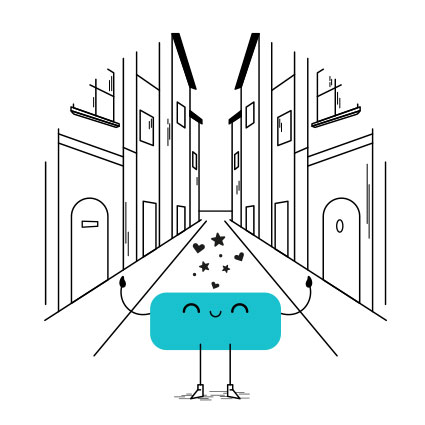
Let’s think about the city. Not just as a collection of stones and streets, but as a social construction resulting from decisions, agreements, work, and shared lives. From the first cities to those of today, we will follow the threads that weave together politics, society, and the economy, as well as the dynamics of the people who live there. A collective journey in which we will interpret our cities of the past and present to project ourselves into the future.
90 minutes 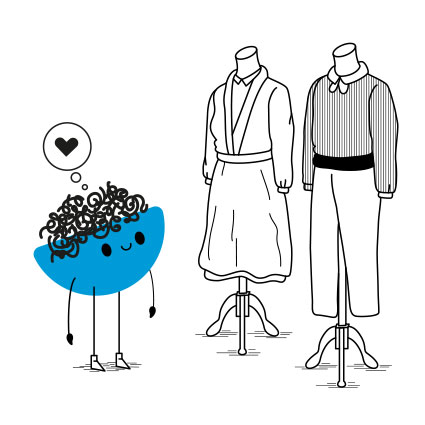
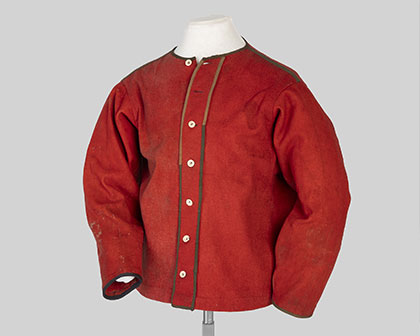
The way we dress is a relevant manifestation of the passage of time and cultural particularities; it is a way of defining ourselves and presenting ourselves to others. We will observe the clothing in the Museum and relate it to our own habits. The visit to the Museum becomes an exercise in reflection on the social, cultural, and economic dimensions of fashion.
90 minutes 
The heritage element is analysed as a complex source of history and culture, thus promoting critical thinking, in-depth debate, and a contemporary reading on tradition. Established narratives will be questioned and students will be encouraged to propose new interpretations of heritage, connecting it with the challenges and identities of the 21st century. The Museum becomes a laboratory of ideas where the past inspires new visions.
90 minutes