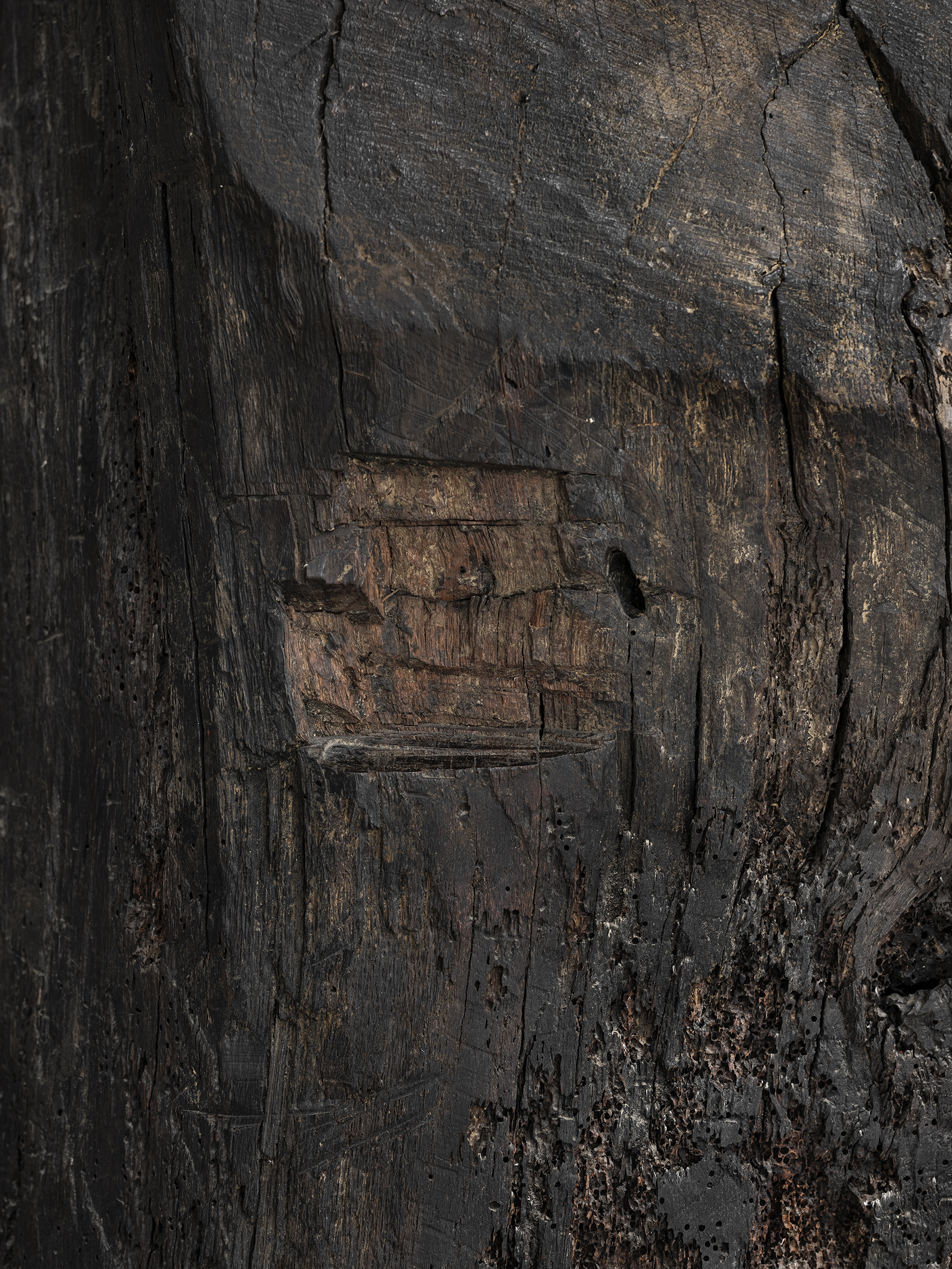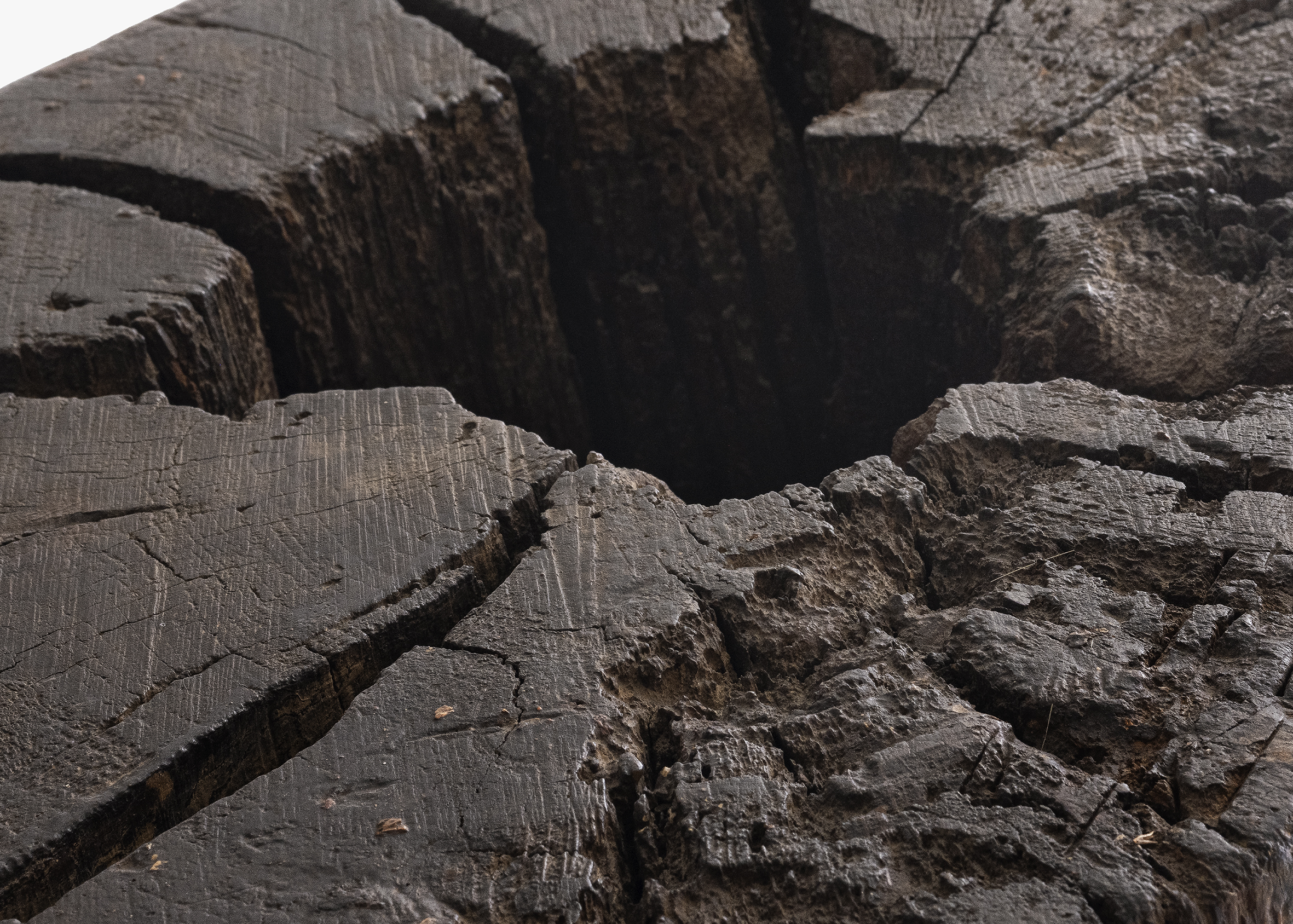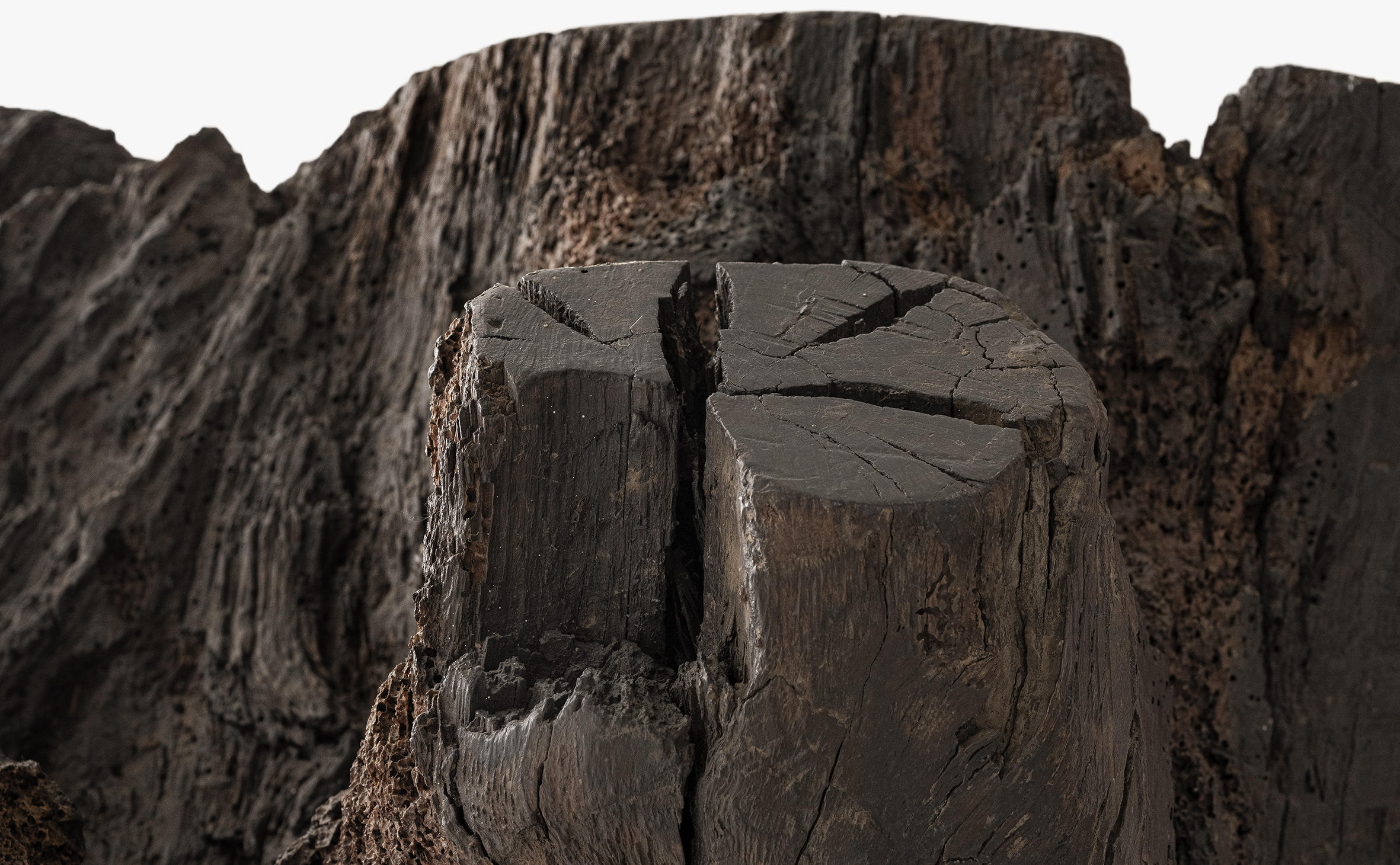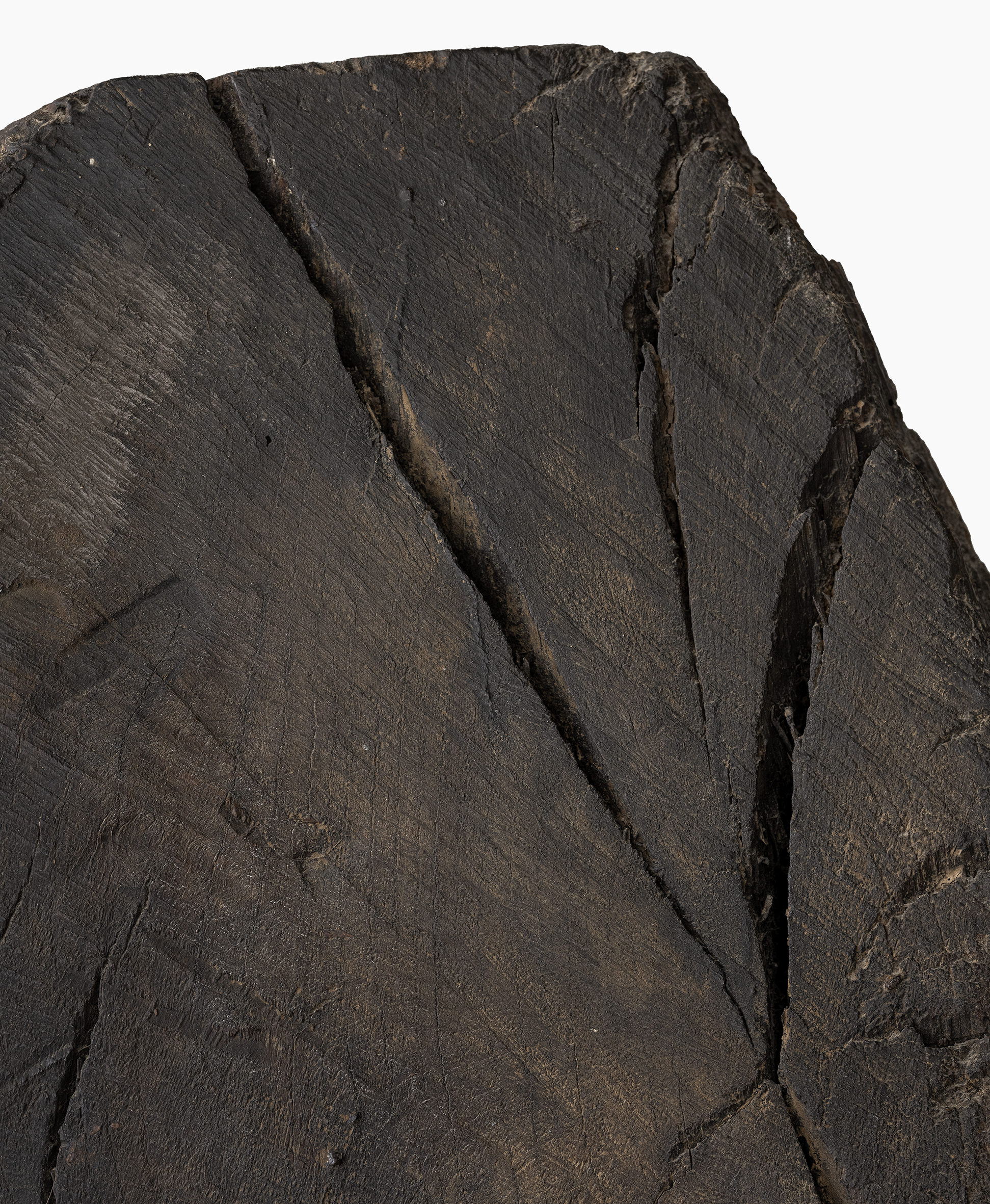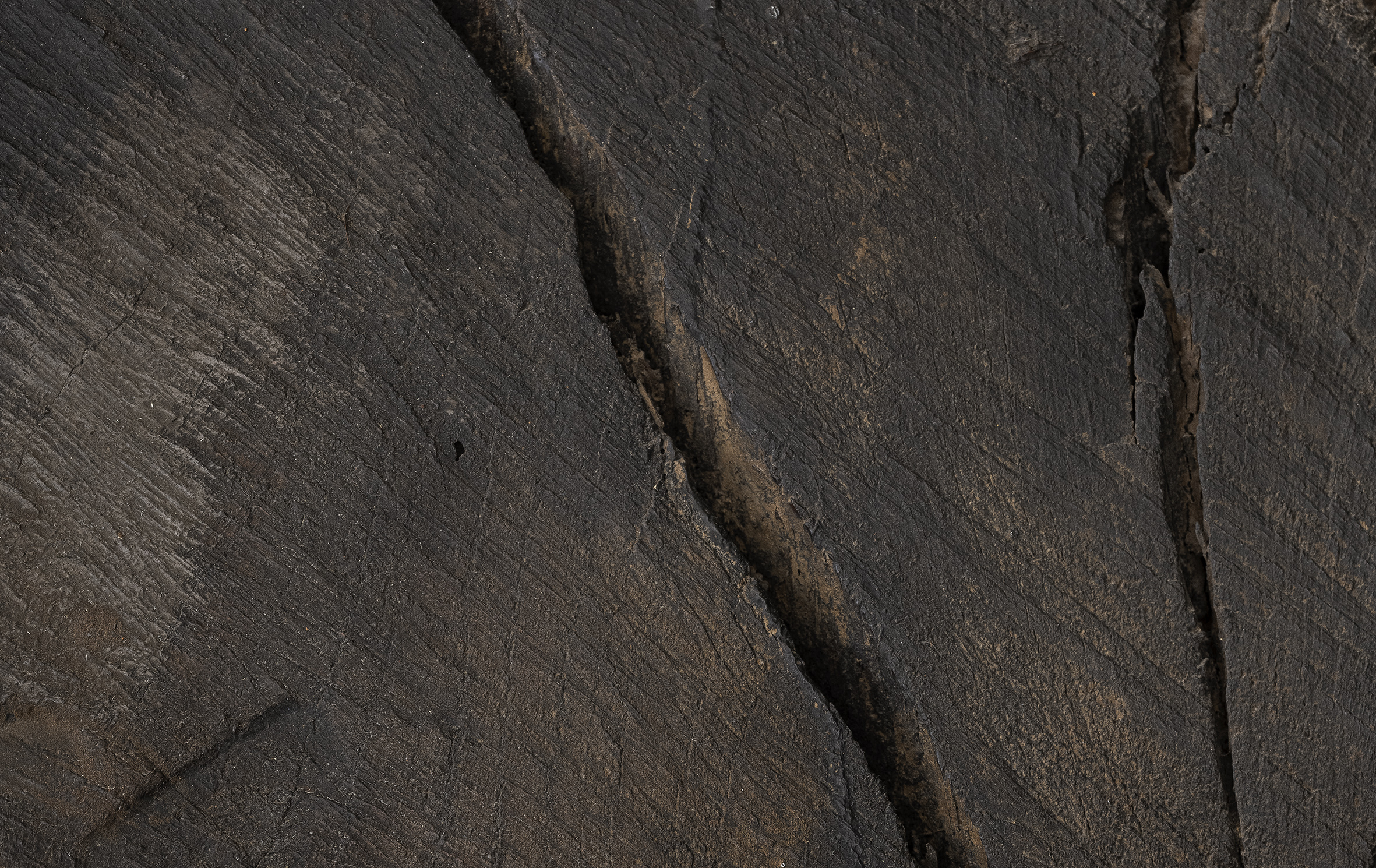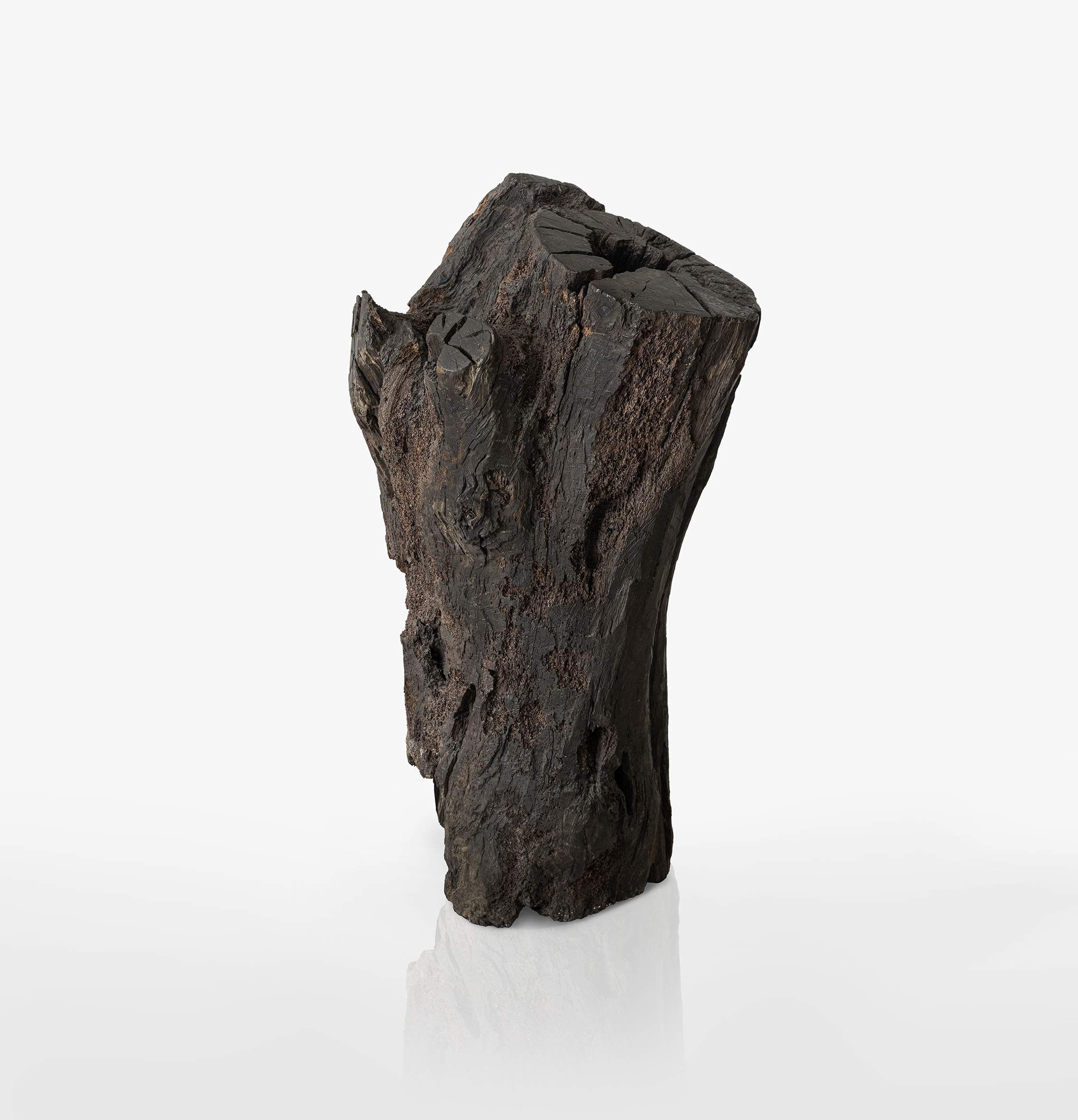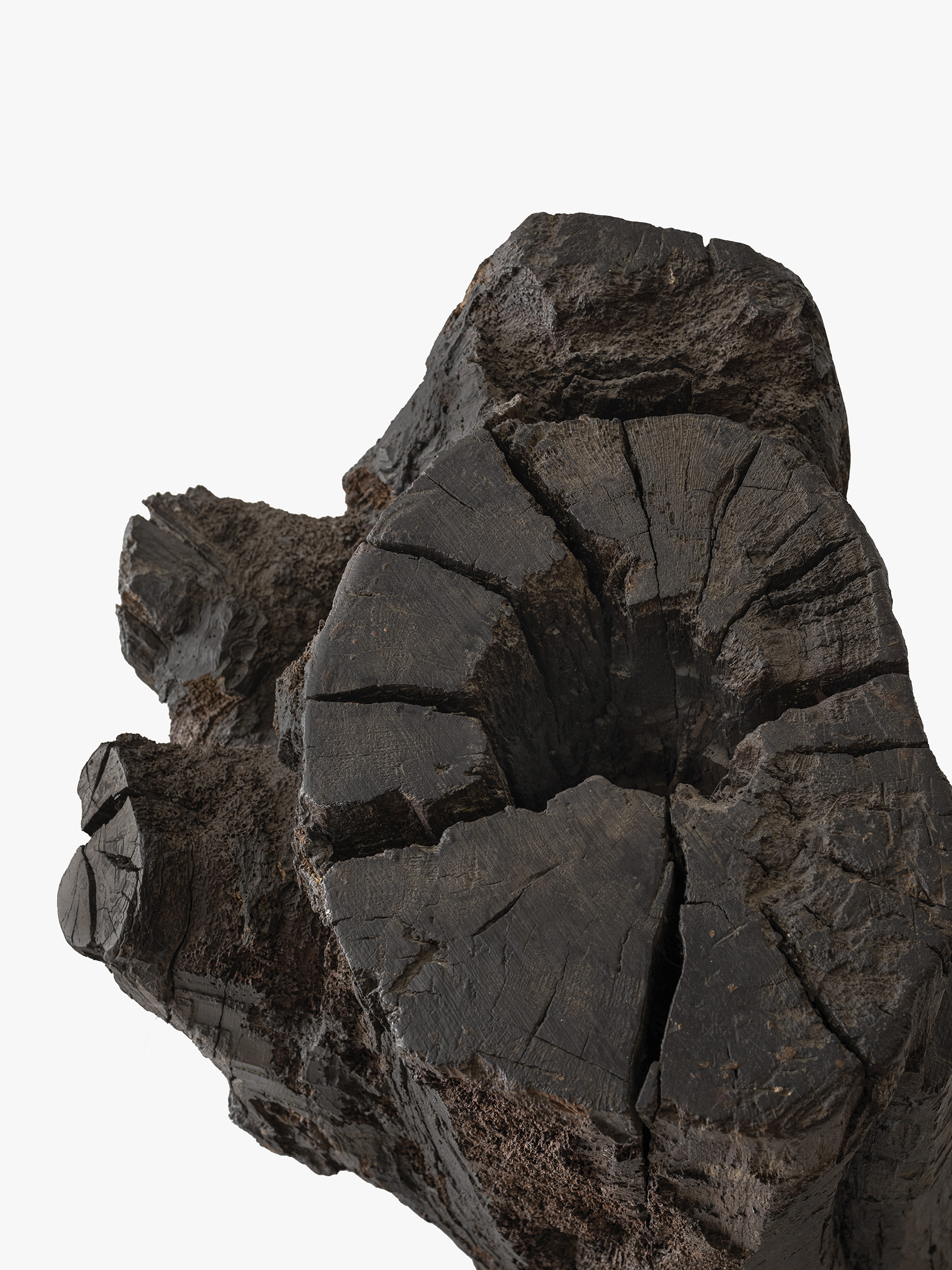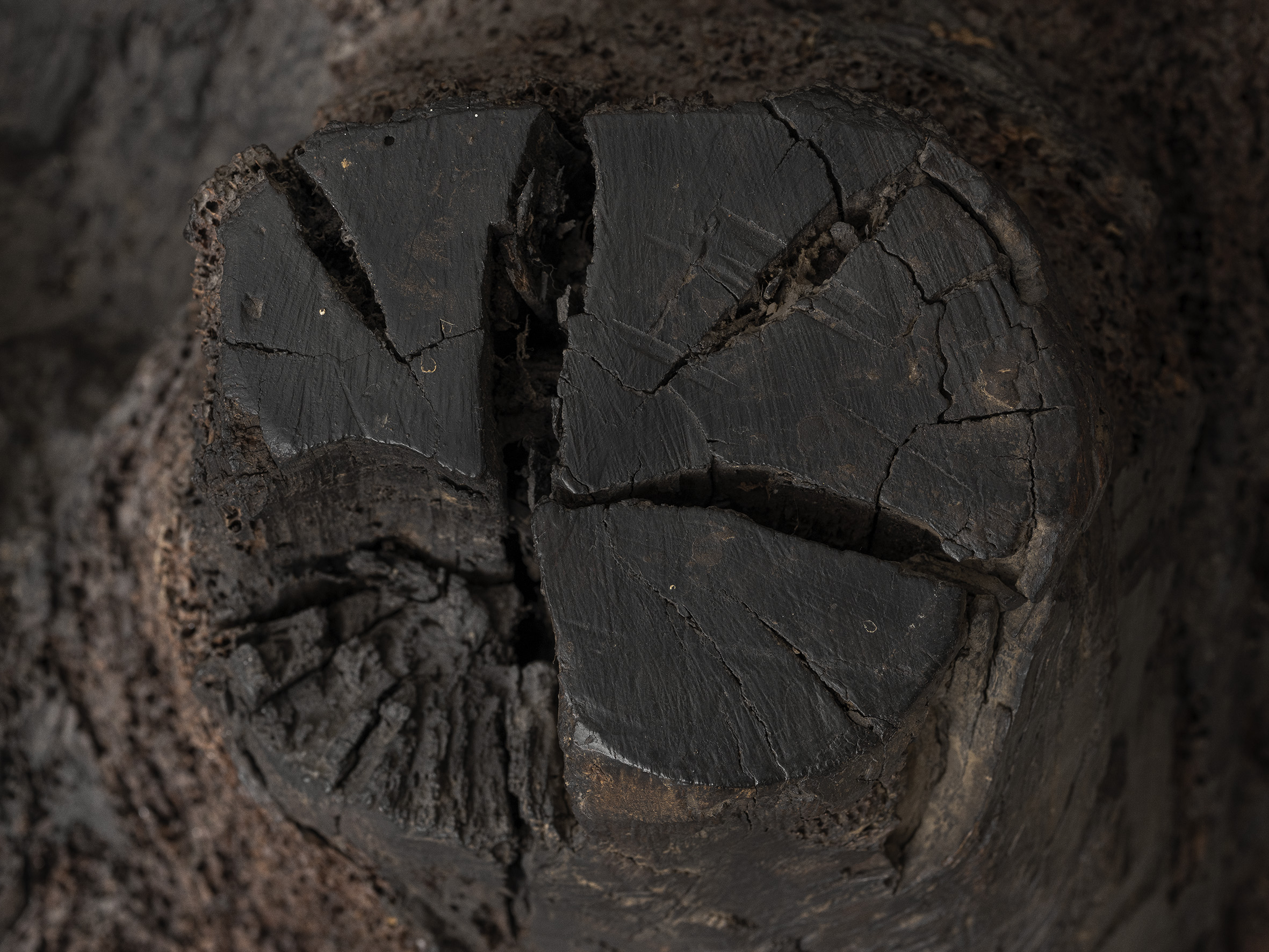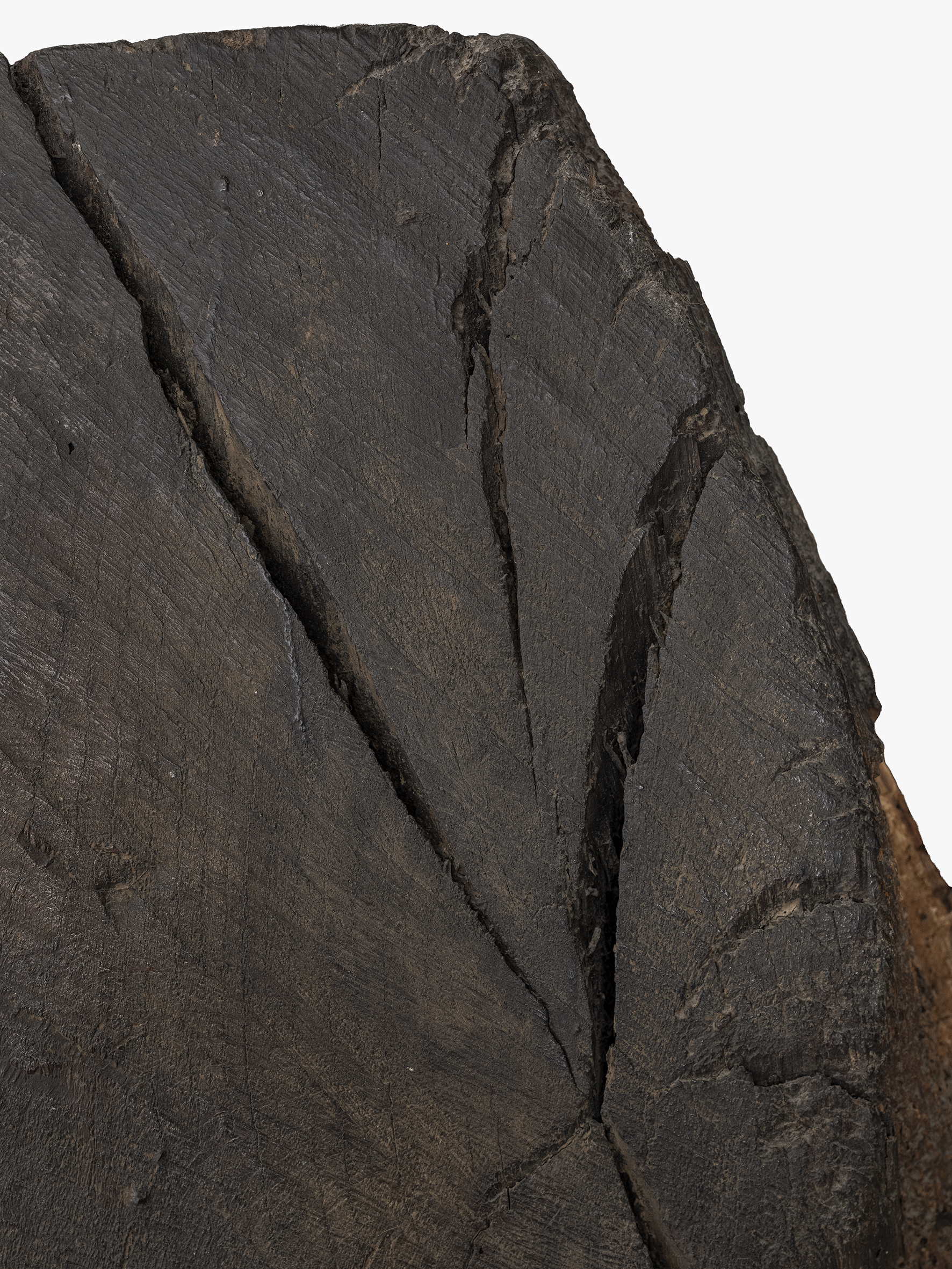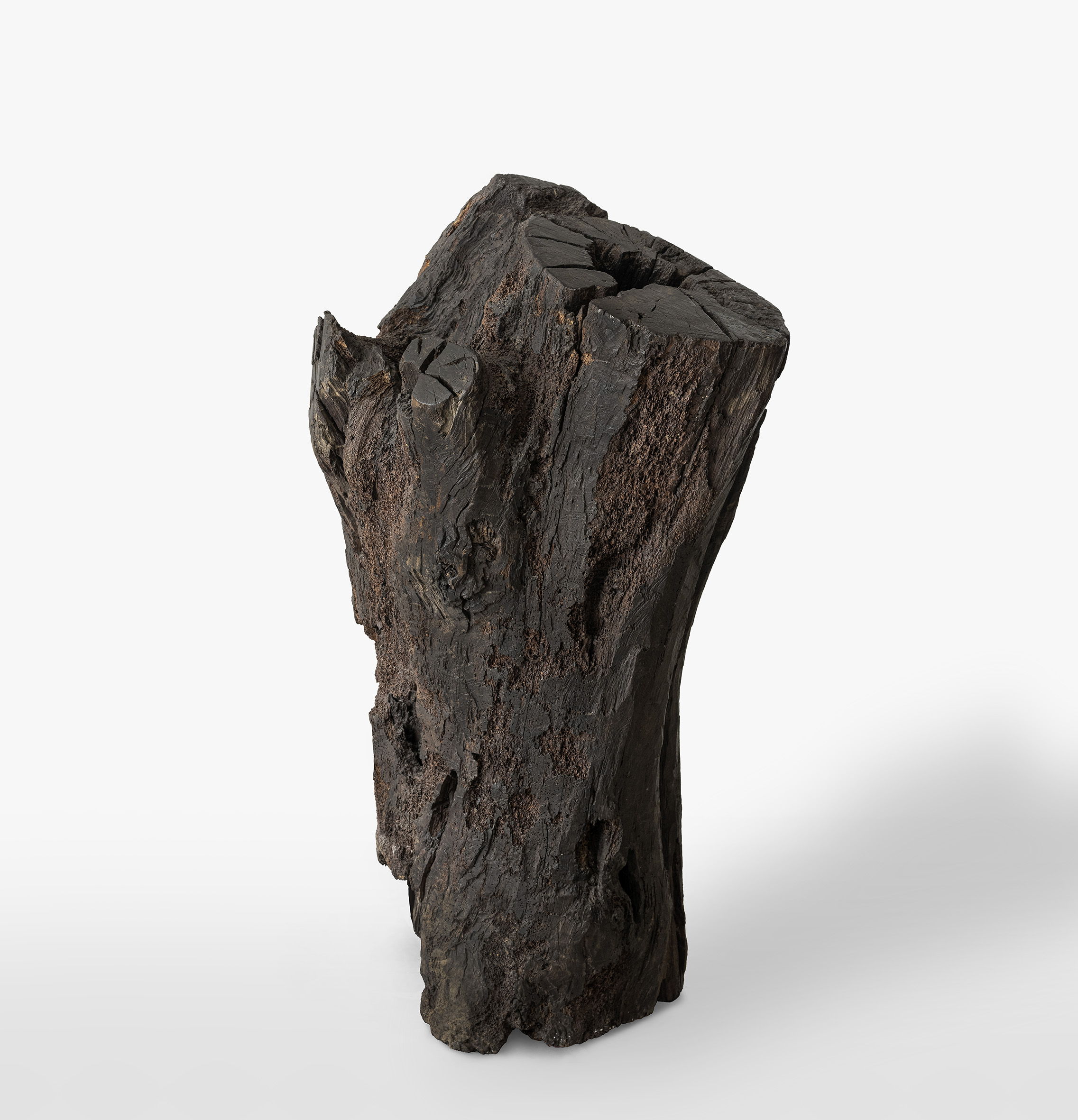
Fragment of the Quercus robur oak known as Aritz-Zaharra (Old Tree), the second to be planted at the Casa de Juntas, or Assembly House, in Gernika (Bizkaia), where it stood until 1892, when it was replaced by the New Tree, which had been planted in 1860. The first, known as “the Father”, was planted in 1564 and died in 1811.
The tree of Gernika is one of the quintessential symbols of Basque freedoms and sovereignty. Located in the vicinity of the Casa de Juntas in Gernika, it served to shelter for the political representatives of the Lordship who, beneath its shade and in the oath-church of Santa María de la Antigua in that town, gathered to legislate. It was an essential requirement that all the Lords of Bizkaia, without exception, take an oath beneath the oak tree; invoking the name of God and in the presence of the legitimate representatives of Bizkaia, they promised to uphold and observe the Fueros (local charters). The strict rule requiring the oath of office to be taken in the shade of this tree also applied to the Corregidores (local administrative and judicial officials) and remained in force until 1872, the year the Second Carlist War began, which resulted in the definitive abolition of the Foral Regime.
Gallery